Aloha! The Hāmākua Coast invites a different kind of Hawaiʻi holiday: green surroundings, mornings on the lanai, a drive into Hilo for lunch, and time to enjoy the place you have chosen to stay. It helps to know what that setting offers before you book.
Oceanfront does not mean a swimming beach
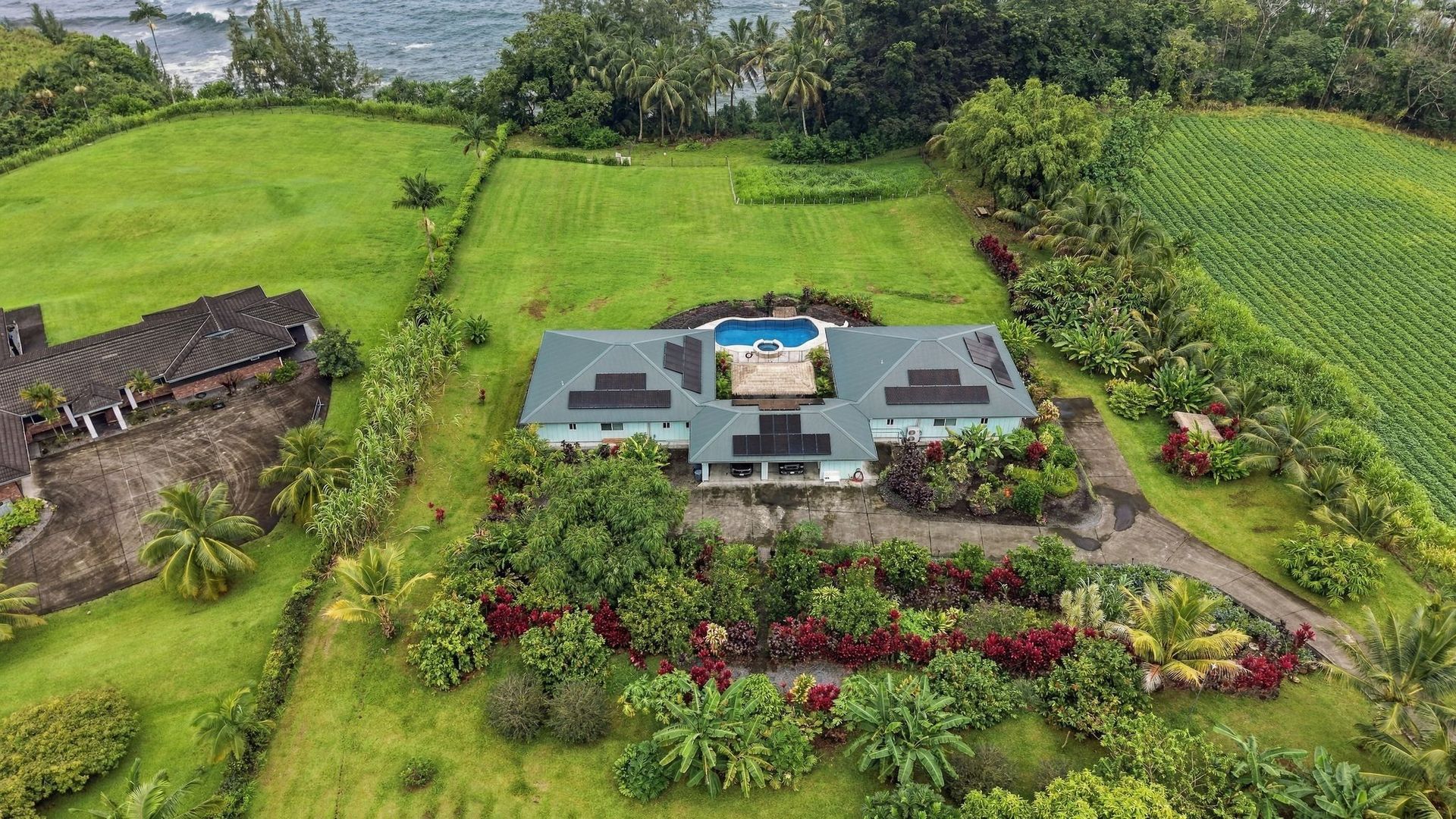
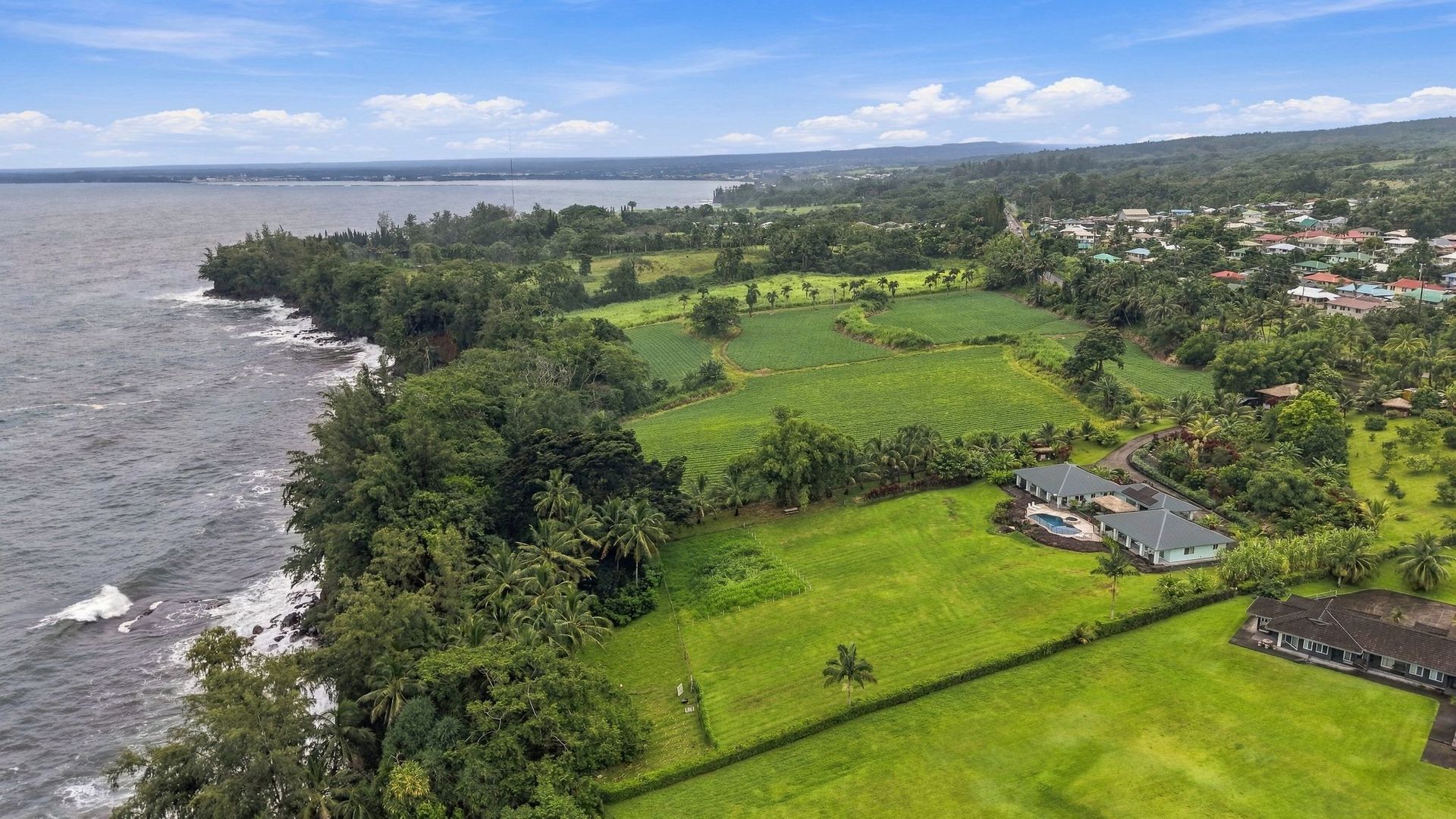
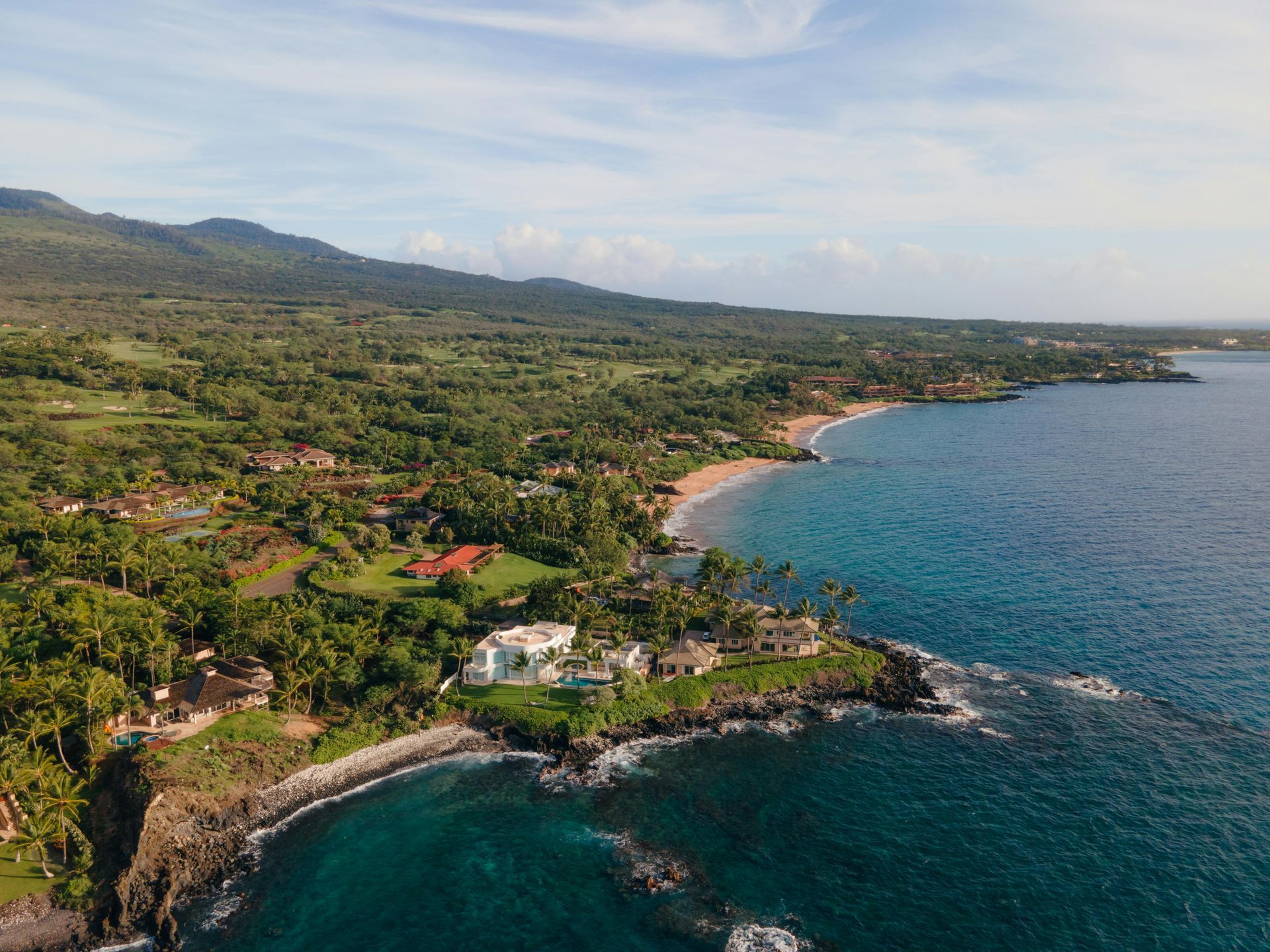
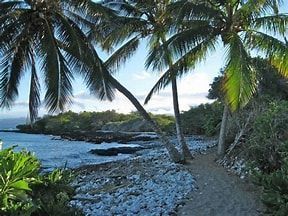
Koili Point sits on an oceanfront bluff in Papaikou. You can enjoy the Pacific from the property, but there is no direct ocean swimming access. The rocky coastline in our aerial photograph helps show why. Stay back from bluff edges and supervise children around the grounds and water.
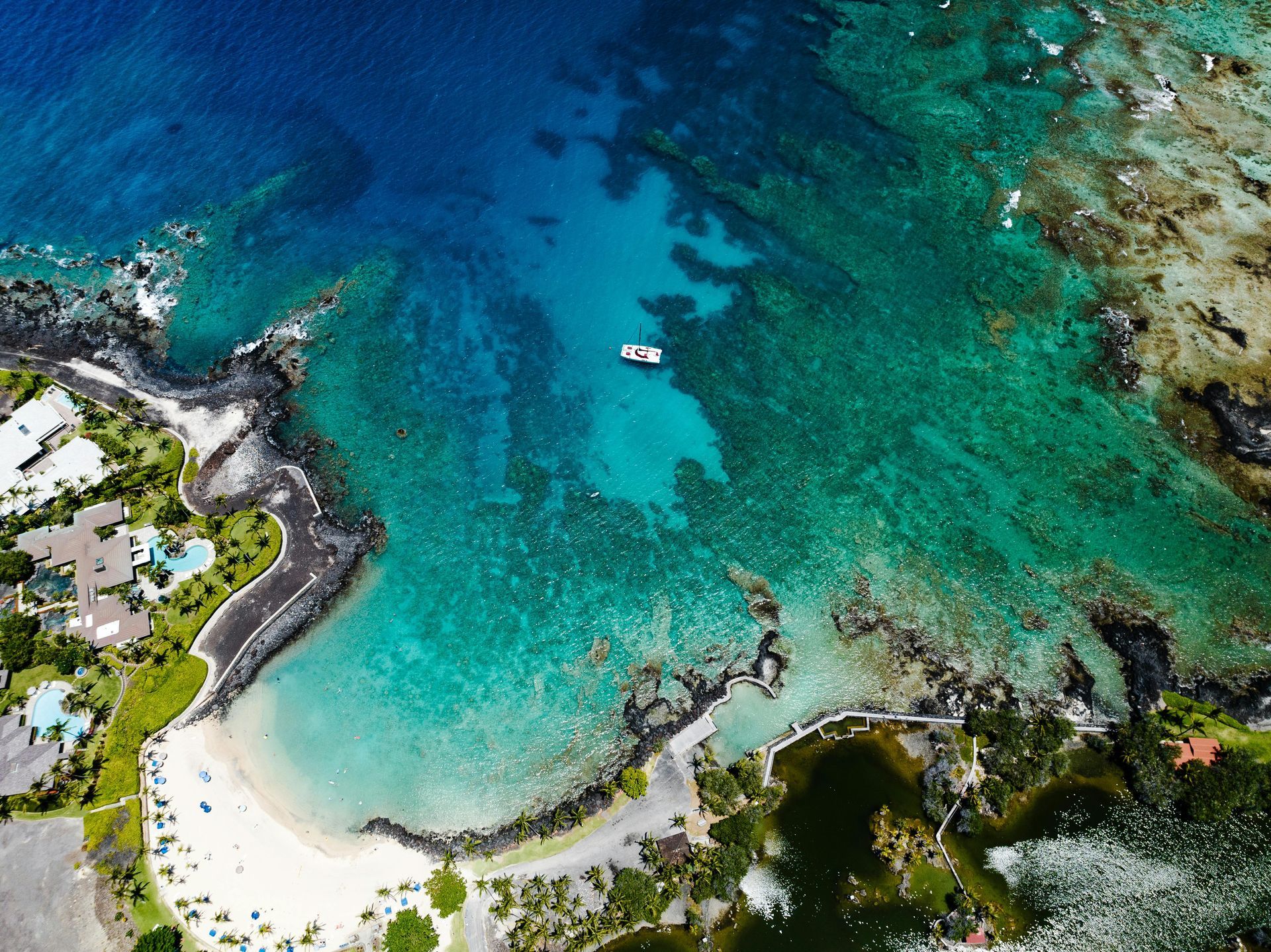
The pool and hot tub are for guests of our two homes. For an ocean outing, drive to a suitable public beach and assess conditions that day; a beach recommendation is never a promise of safe swimming. Follow lifeguard advice and posted warnings. Wailuku River’s waterfall pools are not safe swimming places.
What is private, and what is shared?
Hale Honu and Hale Koholā each have a private entrance, two bedrooms, two bathrooms, a full kitchen, laundry and a covered lanai. Each sleeps up to four guests. Honu has a king suite and two twin beds; Koholā has a king suite and a queen bedroom.
The pool, hot tub, orchard and grounds are shared by guests of the two homes.
Booking one home does not make the pool exclusive to that home. When your group books both homes, those guest spaces are used only by your party of up to eight. See our both-homes guide
for the layout and booking approach.
Come prepared for a green coast
Pack a light rain jacket, comfortable shoes with grip, sun protection and a small bag for outings. Keep a flexible plan: a shower may be a good moment for lunch or reading, while a clear spell may be the time for a garden walk. Heavy rain is different from a passing shower—respect closures and postpone trails or river outings when conditions call for it.
Do not build every day around one weather-dependent activity. Choose a nearby alternative and leave some unscheduled time. You do not need to drive across the island every time the forecast changes.
Understand the solar-powered rhythm
Koili Point is 100% solar powered with a backup generator. Air conditioning runs during the day; at night, the homes rely on fans and natural airflow. This is an important comfort detail to consider before booking if you require overnight air conditioning. Ask Len any questions about your needs rather than making assumptions from the word “AC.”
The kitchens and laundry make a longer stay practical. A few groceries on arrival, a shared breakfast and an occasional dinner at home can make the trip easier for families without turning every meal into a project.
Plan to drive, and keep outings realistic
A car is useful for restaurants, groceries and attractions. Hilo is nearby, but Papaikou is not a walkable resort strip. Plan roughly 10–20 minutes to downtown Hilo in normal conditions, with more time for traffic and rain. Our nearby-outings guide
explains realistic drive-time ranges and access considerations. For arrival day, read Hilo Airport to Papaikou.
Enjoy the orchard as an overnight guest
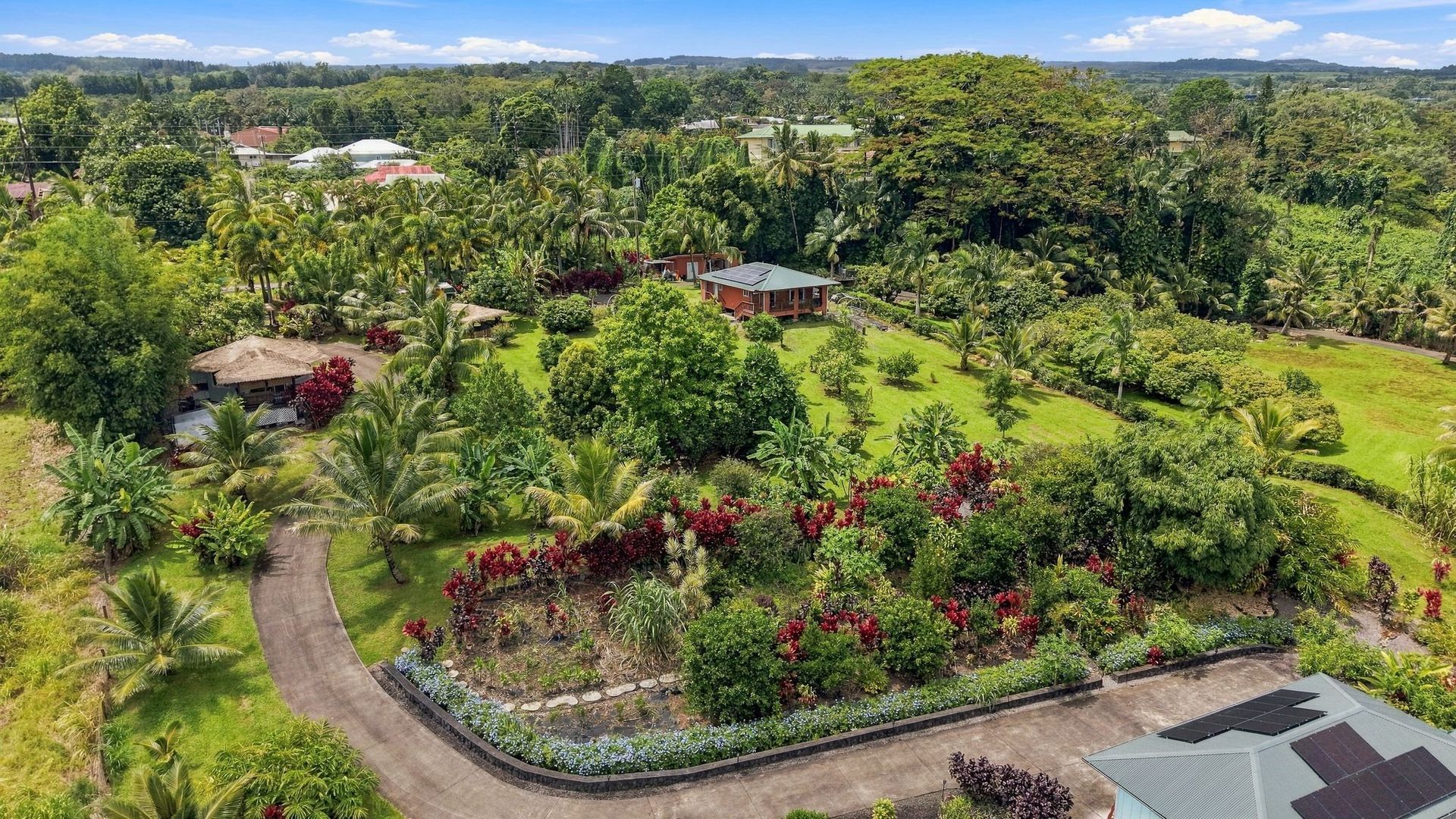
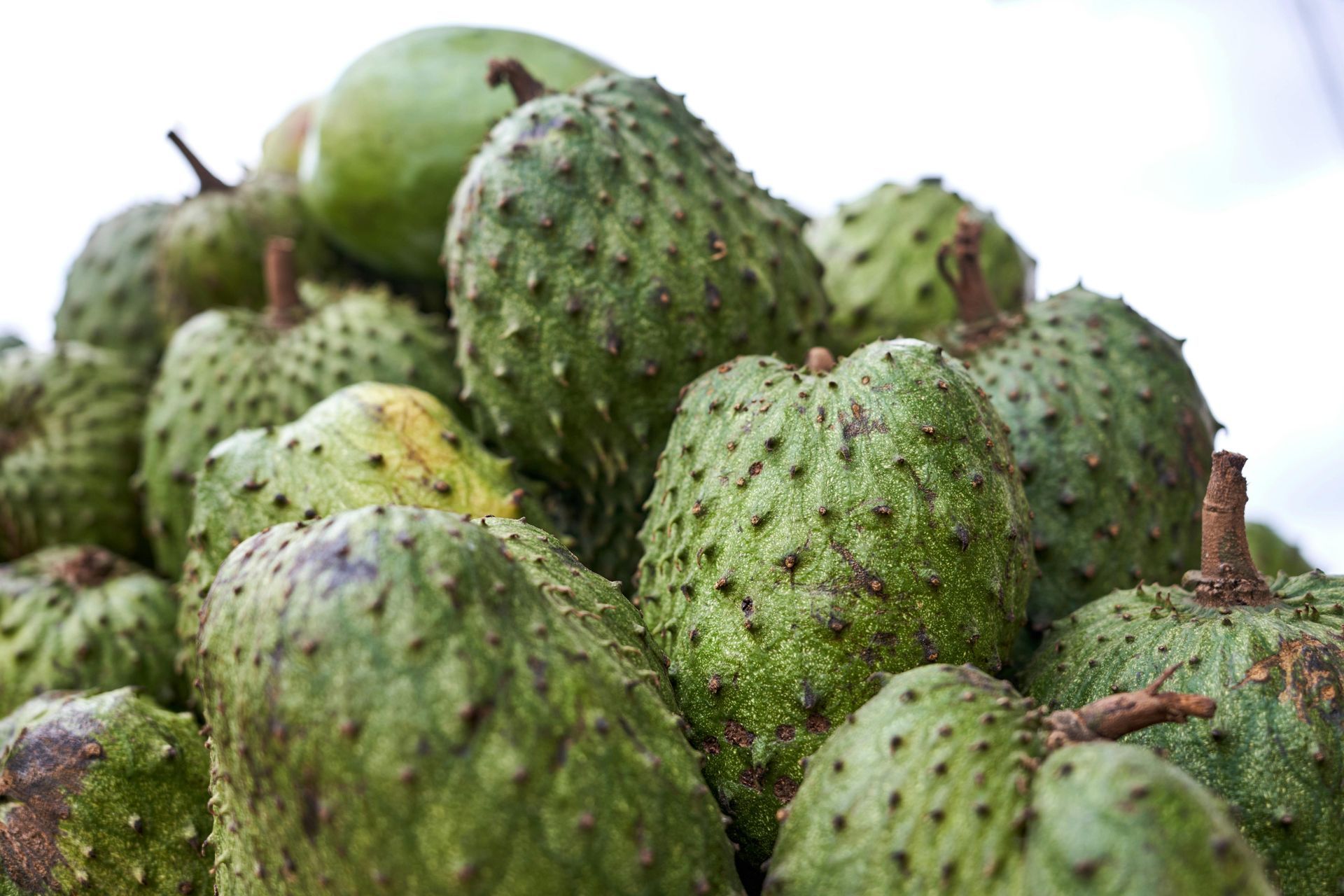
The grounds and orchard are for self-guided exploration by overnight guests. Koili Point does not offer public farm tours or day visits. Ask the team what fruit is in season and appropriate to pick, respect planted areas and animal enclosures, and leave gates as you find them. This is a place to slow down and notice small things, not a scheduled attraction.
A little Hawaiian: no problem, no worries
ʻAʻole pilikia
means “no problem” and can express the friendly reassurance of “no worries.” The Hawaiʻi Visitors & Convention Bureau’s language notes
include this useful phrase. It is a reassuring reply, not a suggestion to ignore ocean conditions or someone else’s concerns.
Is Koili Point right for your stay?
It is a good match if you want an oceanfront home near Hilo, a pool shared with just one other guest home, and space for quiet mornings. Check our FAQs and cancellation policy, browse guest reviews, then see live rates and availability for Hale Honu on Houfy
or Hale Koholā on Houfy.
Mahalo,
Len