
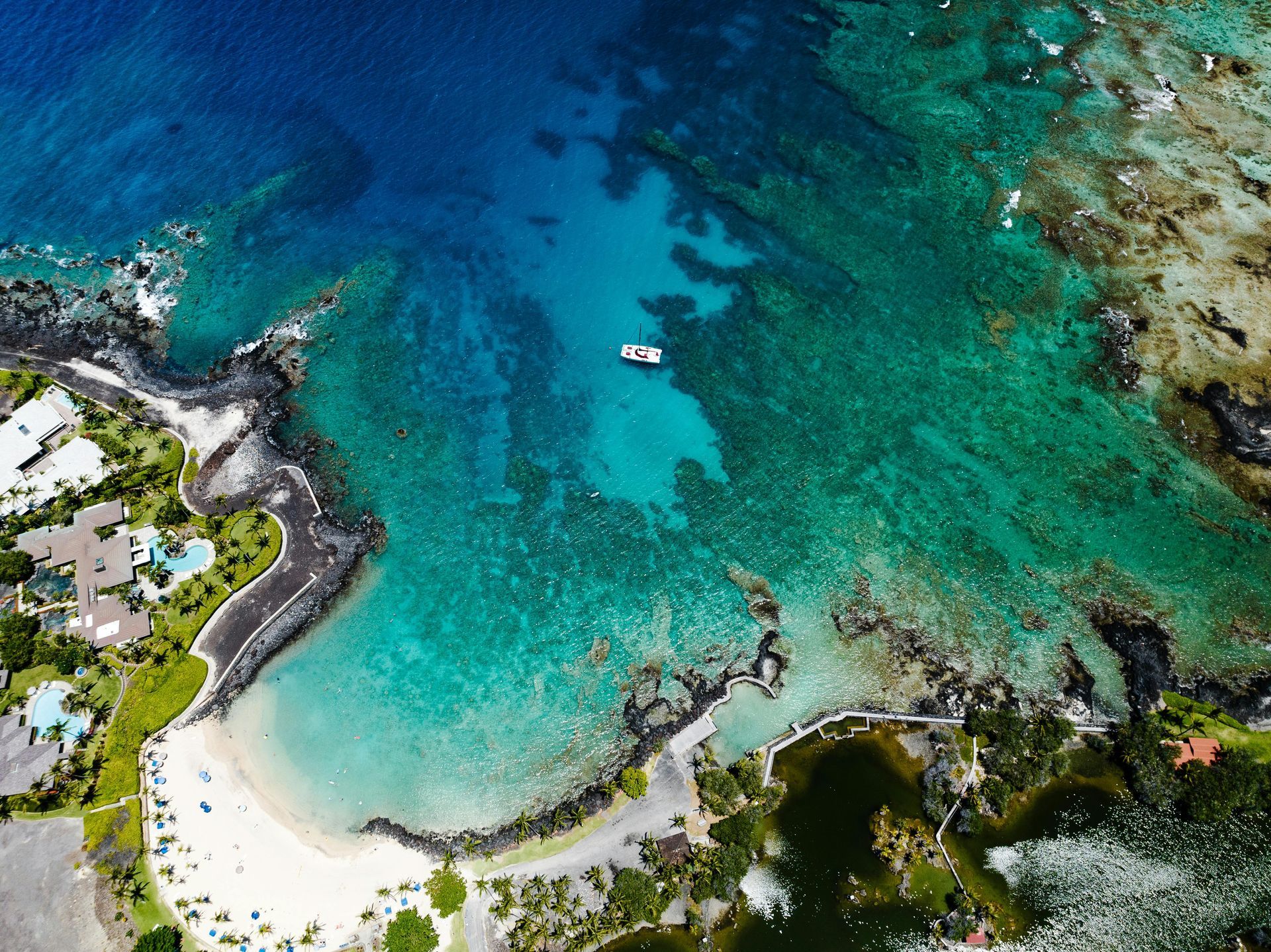
Big Island Events: Kona, Hilo & Hawaii Island Event Calendar 2026
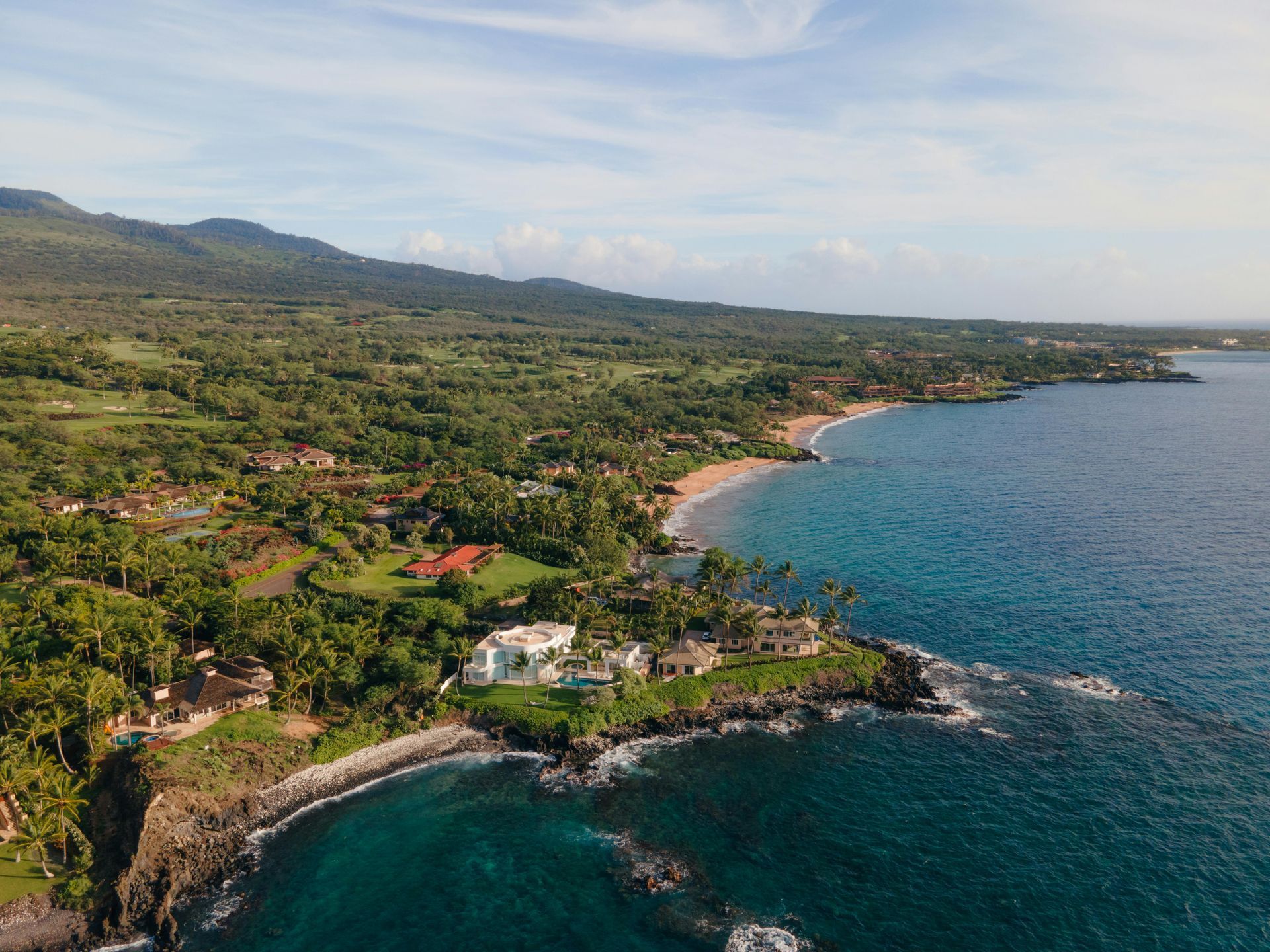
Benefits of vacation rentals for groups vs hotels
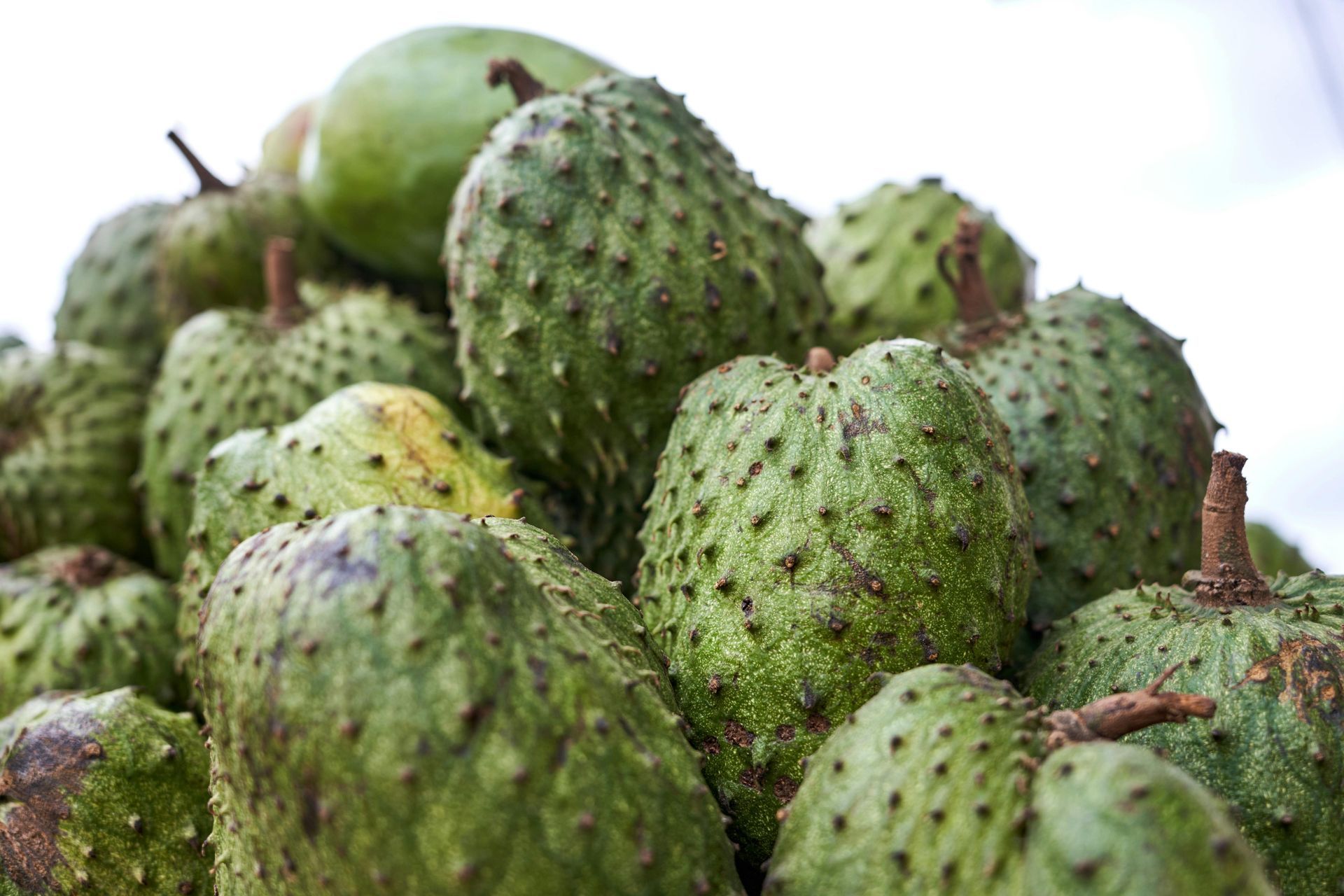
Learn what soursop is, how to eat guanabana fruit, where to find it, and its health benefits. Complete guide to this tropical fruit with recipes and tips.
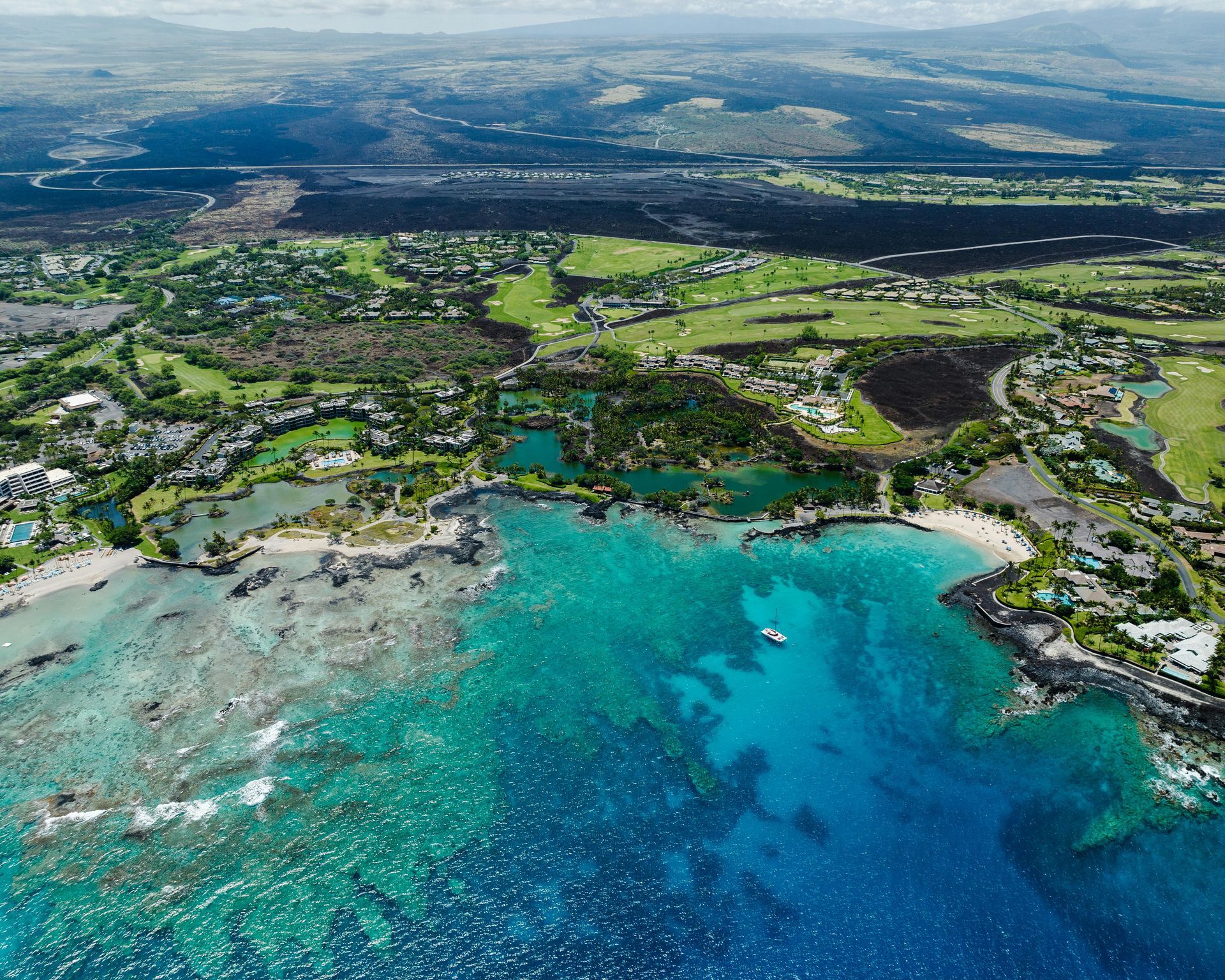
Where to Stay on the Big Island of Hawaii (Best Areas for Every Traveler)
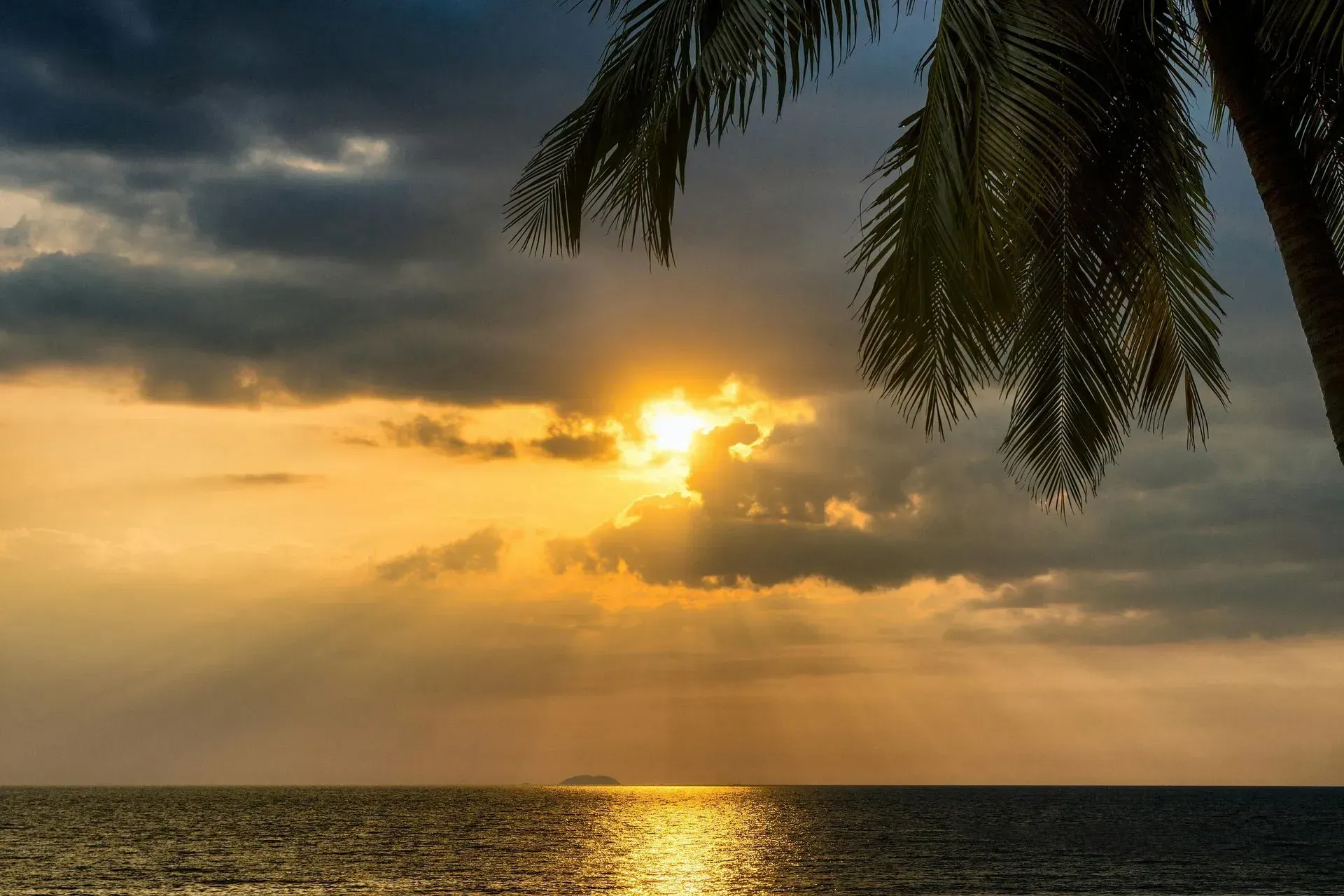
A Visitor’s Guide to Papaikou, HI
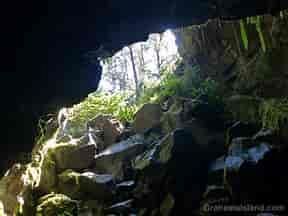
Explore the Big Island's incredible lava tubes — from Kaumana Caves in Hilo to Kazumura Cave, the world's longest lava tube at over 40 miles. A must-do adventure!
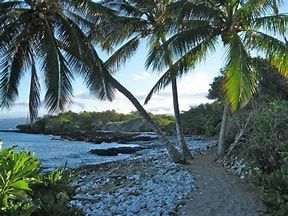
The Ala Kahakai National Historic Trail is a 175-mile coastal corridor weaving through ancient Hawaiian settlements, sacred sites, fishponds, and petroglyphs.

From the Big Island Jazz and Blues Festival to the Kaʻū Coffee Festival and Pacific Asia Cultural Festival — May and June 2025 are packed with incredible Big Island events!

Swimming with manta rays under the Kona stars is one of the Big Island's most magical experiences. Here's everything you need to know about this unforgettable night dive.
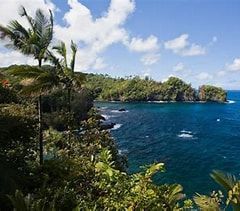
Koili Point sits right along the Hāmākua Heritage Corridor. Explore the Hilo Farmers Market, Hawaii Tropical Botanical Garden, and the stunning Waipiʻo Valley Lookout.